
Achilles Tendonitis in Runners and Hybrid Athletes: A Tampa Performance PT’s Guide to Calf, Heel, and Tendon Pain
Stiff for the first mile, sore the morning after intervals, and quietly getting worse? Here’s how active adults across Tampa and St. Petersburg actually fix Achilles tendonitis – without giving up the miles or the barbell.
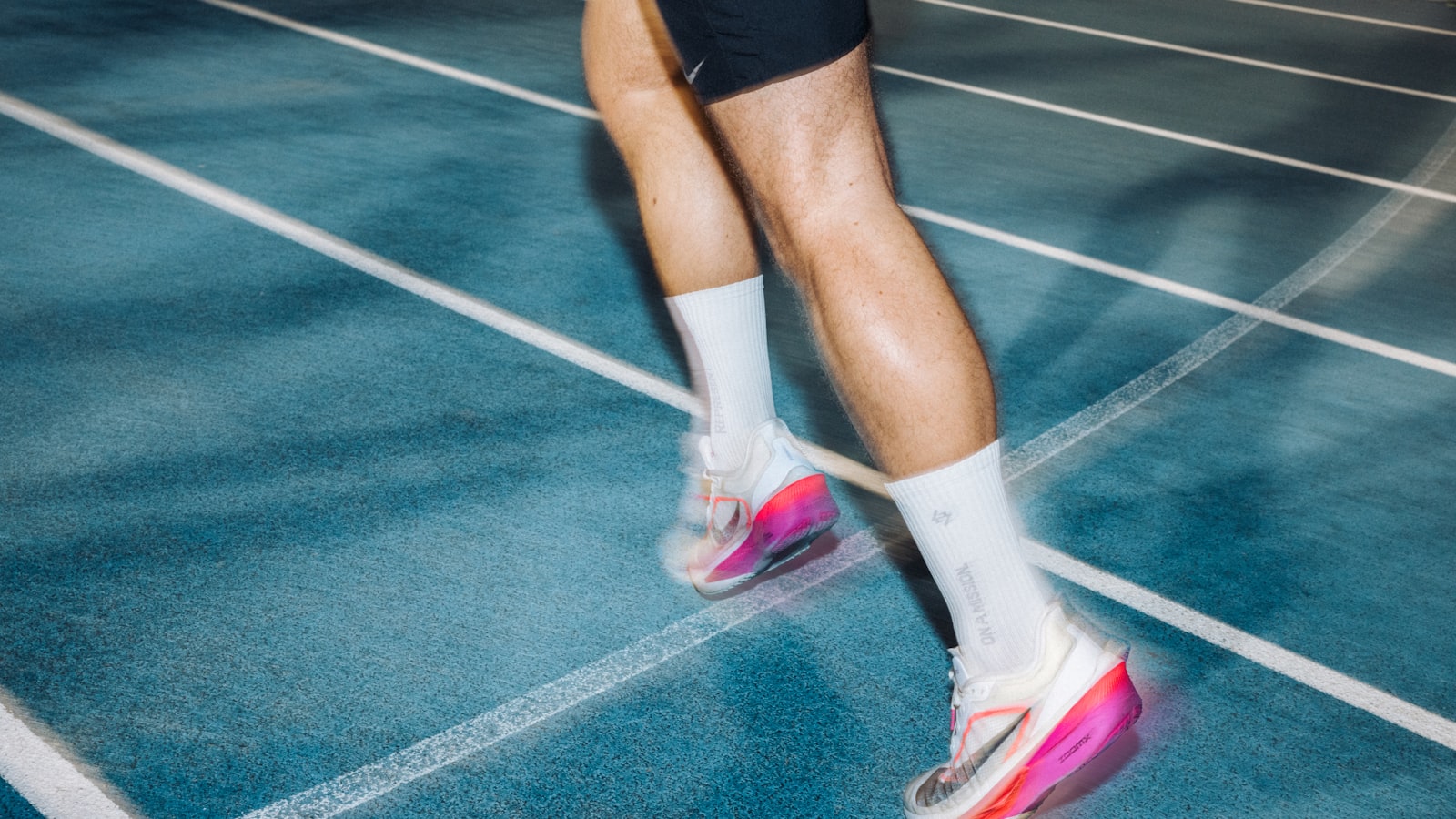
Achilles Tendonitis Isn’t Really Inflammation – and That Changes the Fix
If you run, lift, or do both, Achilles tendonitis announces itself the same way for almost everyone: a stiff, tender heel cord for the first ten minutes of an easy run, a dull ache the morning after intervals or a heavy squat day, and a tendon that feels fine once it’s warm – right up until it doesn’t. For most active adults in Tampa and St. Petersburg, that Achilles tendon pain isn’t a sign the tendon is tearing apart. It’s a sign the tendon is being asked for more capacity than it currently has.
Here’s the part that surprises people: despite the name, long-standing Achilles tendonitis usually isn’t an inflammatory problem at all. The suffix “-itis” means inflammation, but when clinicians look at chronically painful Achilles tendons, what they typically find is disorganized, under-conditioned tendon tissue – a condition better described as tendinopathy or tendinosis. That distinction isn’t academic. It’s the reason ice, anti-inflammatories, and two weeks off keep failing you, and it’s why loading – not resting – is the treatment that actually works.
This is the doctor-led guide to Achilles tendonitis for the athletes we treat – what’s actually going on in that tendon, how to keep training while it settles, the framework we use to fix it, and what a one-on-one performance physical therapy session at our Tampa clinic looks like when the Achilles is the chief complaint.
What’s Actually Causing Your Achilles Tendon Pain
The Achilles is the strongest tendon in the body, and it needs to be – every running stride asks it to absorb and return several times your body weight. It doesn’t get irritable because it’s weak by nature. It gets irritable when the demand curve outruns the capacity curve: a marathon block that ramps too fast, a sudden return to hill repeats or track work, a jump into Hyrox training that stacks sled pushes and sprints on top of a lifting program, or a switch to a lower-drop shoe that quietly loads the tendon more on every step.
Where you feel it matters. Pain in the mid-portion of the tendon, an inch or two above the heel bone, behaves differently – and responds better – than pain right where the tendon inserts into the heel, which tends to dislike deep stretch and compression. Both patterns are well described, and telling them apart in the first visit is what keeps you from doing the exact drill that’s keeping you sore.
What Achilles Tendonitis Usually Feels Like
- Morning stiffness in the heel cord for the first few steps out of bed – the single most recognizable sign of Achilles tendinopathy.
- “Warm-up” pain that fades over the first mile and returns after you cool down, or the next morning.
- Mid-portion tenderness when you pinch the tendon an inch or two above the heel – the most common and most loading-responsive pattern.
- Insertional pain right at the heel bone that’s worse with deep calf stretches, hills, and stiff-backed shoes – compression is the aggravator here, not the tendon itself.
- Next-day soreness after speed, hills, or plyometrics – the classic sign that tendon load, not mileage alone, is the driver.
- A thickened, slightly swollen tendon that’s more sensitive than the other side but still strong enough to walk, run, and heel-raise on.
What it usually isn’t: a tendon about to rupture, a career-ending injury, or a reason to stop running for good. Ruptures exist and they matter – more on that below – but they present dramatically and differently. The far more common story is a tendon that’s been asked to do too much, too soon, too often, with no plan for building the capacity to handle it.
The Mistakes That Keep Achilles Tendonitis Stuck
We see the same handful of patterns turn a three-week Achilles niggle into a six-month problem. Most of them come from good intentions and outdated advice.
Resting Until It Feels Better
Two weeks off calms the tendon and detrains it at the same time. You return to the same mileage with less capacity than you had before, and the pain comes back on week one. Rest treats the symptom and worsens the cause.
Stretching the Calf Into the Pain
Aggressive calf stretching is one of the worst things you can do for an insertional Achilles problem, where the tendon is compressed against the heel bone at end range. If stretching makes the morning worse, that’s your answer.
Treating It Like Inflammation
Ice, anti-inflammatories, and passive modalities aimed at swelling that mostly isn’t there. They can dull symptoms for an afternoon, but they build no tendon capacity – and capacity is the actual problem.
Loading It Fast Instead of Heavy
Bouncy, high-speed calf work early on is like sprinting on a sprained ankle. Irritable tendons respond to heavy and slow long before they tolerate fast and springy. Order of operations decides the outcome.
Three Sets of Fifteen, Forever
Endless light calf raises – the classic insurance-mill protocol – never come close to the load a running Achilles absorbs on a single stride. Under-dosed strength work feels productive and changes nothing.
Stacking Hidden Load
Piling sled pushes, wall balls, and box jumps on top of a run block while the tendon is irritable. Common in Hyrox and hybrid athletes who forget that every stressor in the week draws from the same tendon.
The thread through all of these: the Achilles is being asked to do too little or too much, with nothing graded in between. The fix lives in the middle – load it, but load it on purpose.
Can You Keep Running With Achilles Tendonitis? Usually, Yes.
This is the first question every runner asks, and for most cases the answer is yes – with smart load management. Complete shutdown is reserved for the rare red-flag presentations. Otherwise, the tendon behaves like every other tissue you train: it adapts to load when that load is dosed well. The goal this week isn’t zero pain – it’s finding the dose your Achilles tolerates and keeping you in the game.
How to Train Around an Irritable Achilles This Week
- Use the 24-hour rule. Pain that settles within a day and leaves the tendon no stiffer the next morning means that dose was acceptable. A flare that lingers means dial it back, not push.
- Cut tendon load before you cut mileage. Speed work, hill repeats, and plyometrics spike Achilles load far more than easy miles do. Drop those first and you’ll usually keep most of your volume.
- Start heavy and slow, not fast and bouncy. Controlled, loaded calf raises through a comfortable range – three seconds up, three seconds down – build tendon capacity without provoking it.
- Respect the insertion. If your pain sits right on the heel bone, avoid deep dorsiflexion and stretching off a step for now, and work in a flatter range. A small heel lift in your shoe often buys immediate relief.
- Keep training the rest of you. Upper body, hinges, carries, and the lower-body work you tolerate keep you feeling like an athlete instead of a patient.
- Change one variable at a time. Adjust pace, mileage, shoes, or strength load deliberately so you can actually tell what’s helping.
Not sure which runs and lifts to keep and which to modify this week? That’s exactly what a one-hour movement assessment is for – book an evaluation and stop guessing.
The Forward Physio Framework for Achilles Tendonitis
There’s no single magic stretch or exercise – there’s a progression. The framework below is what we actually run for Tampa runners, lifters, and hybrid athletes with Achilles tendon pain, scaled to how irritable the tendon is, your training history, and your goals. The whole point is to move you from protecting the Achilles to trusting and loading it again.
Calm It Down Without Detraining
Short-term symptom control so you can keep moving: manual therapy, and where appropriate dry needling of a guarded, overworked calf, plus a temporary heel lift and gentle isometric holds that reliably take the edge off tendon pain. The goal is to open a window for real loading and pain management – not to chase symptoms to zero.
Find Out Which Achilles Problem You Have
A targeted movement assessment separates mid-portion from insertional tendinopathy, screens the calf, ankle, and hip above it, and identifies which positions to load and which to leave alone for now. This is where the plan stops being generic.
Build Tendon Capacity Under Heavy, Slow Load
The heart of the plan. Loaded calf raises – straight-knee and bent-knee, eventually single-leg and heavily weighted – progressed slowly and deliberately over months, not days. This is the approach validated by the landmark heavy-load calf training research, and it is strength training used as medicine.
Address the Why
A tendon that flared under load is usually a story about a volume spike, a shoe change, or a calf that was never strong enough for your mileage. We dig into the real driver – the same thinking behind plantar fasciitis in Tampa runners – so it doesn’t keep coming back.
Reintroduce Speed, Hills, and Springiness
A staged return-to-sport ramp that rebuilds the elastic, fast qualities the Achilles needs for race pace, hill repeats, and Hyrox – with a plan for managing future flares so a niggle never again becomes a season off.
Indefinite rest, passive-only care, aggressive stretching of an insertional tendon, routine scans for a clinical diagnosis, and “just stop running” advice. None of them build the capacity an athletic Achilles is actually missing, and most make the fear worse.
“The runners who beat Achilles tendonitis fastest aren’t the ones who rested the longest. They’re the ones who found the load their tendon tolerated, kept training around it, and gave the tendon a reason to get stronger.”
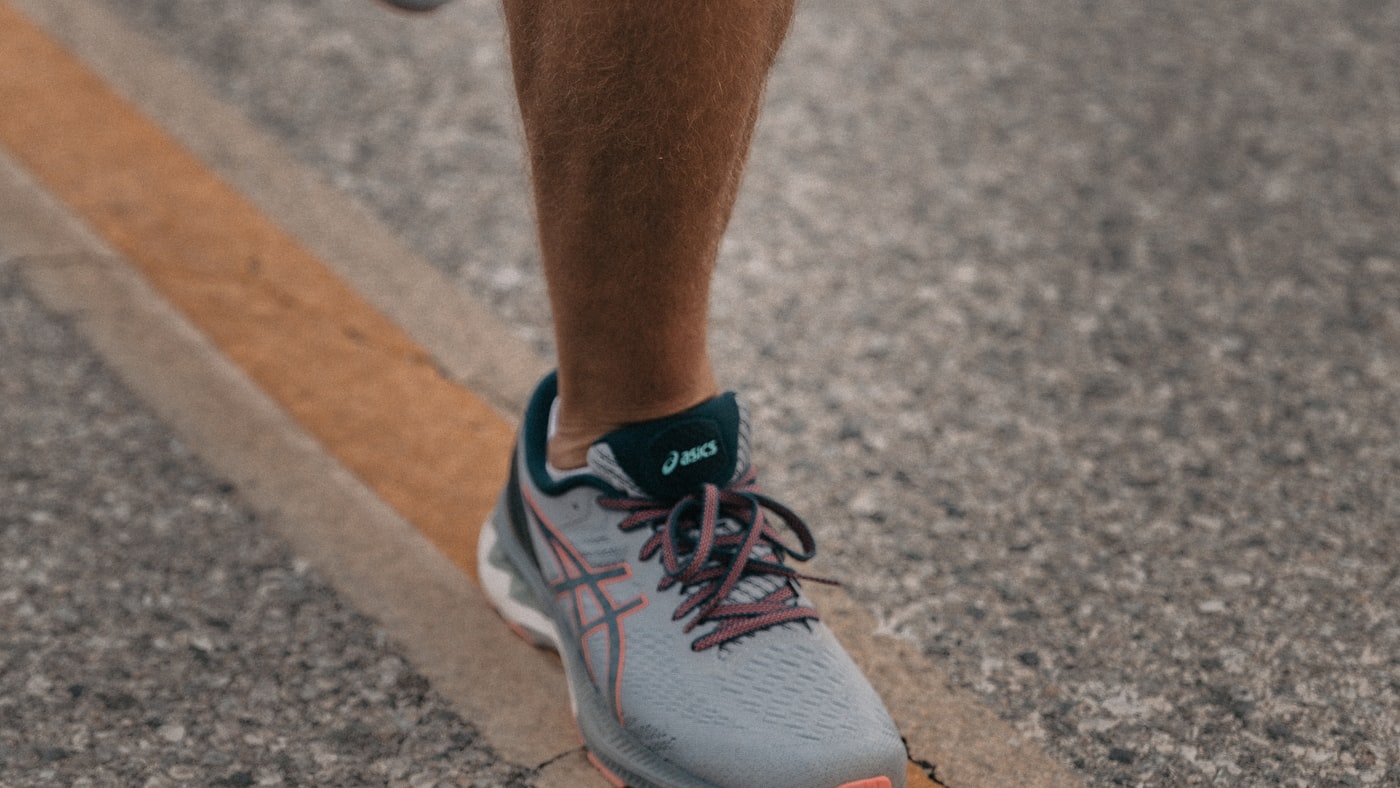
What to Expect at Forward Physio for Achilles Tendon Pain
If your only experience is insurance-driven PT, here’s how a Tampa athlete’s first Achilles visit at Forward Physio actually goes.
Training-Aware Intake
A real conversation about how you train: your weekly mileage and paces, what you lift, when the tendon started talking, what shoes you’re in, your race or Hyrox timeline, and what you’re afraid of. We speak barbell and mileage, so nothing gets lost in translation.
Objective Movement Assessment
A screen for red flags, then an SFMA-informed look at your calf strength and endurance, single-leg heel-raise capacity, ankle mobility, and how you load through the foot and hip. This is the part insurance PT skips, and it’s where the answer usually lives.
Treatment and Loading in Real Time
Hands-on manual therapy and dry needling when indicated, paired with your first loaded calf session that same hour. You should leave knowing exactly what your tendon can handle – not waiting four weeks to find out.
A Plan Your Coach Could Read
A written plan: which runs and lifts to keep, modify, or pause; your calf-loading progression with real numbers; what to track each morning; and the ramp back to speed, hills, and full mileage – built around your program, not instead of it.
One full hour. One doctor of physical therapy. 100% one-on-one, with no assistants, students, or shared time. As an out-of-network clinic we’re free of insurance visit caps, we accept HSA/FSA, and Florida direct access means no referral is required – so you can book a free discovery call the moment your Achilles starts talking.
Signs You Should Book an Achilles Assessment Now
Most athletes wait too long, hoping it’ll just go away – and a three-week niggle quietly becomes a six-month layoff. Tendons are slow to adapt, which means the earlier you start loading correctly, the sooner you finish. If any of these are true, it’s time to get eyes on your Achilles.
- Achilles tendon pain or morning heel-cord stiffness that hasn’t clearly improved after two to three weeks.
- You’ve cut your mileage, dropped speed work, or changed shoes because you don’t trust the tendon.
- This is the second or third time the same Achilles has flared up.
- You’ve got a Gasparilla race, a marathon block, or a Hyrox on the calendar and a tendon you’re unsure about.
- You’ve been resting, icing, and stretching for a month and it’s no better – or it’s worse.
- You want a proactive read before it becomes chronic – a performance assessment is the cheapest visit you’ll ever buy.
Red flags that mean urgent medical assessment, not just PT: a sudden pop or the feeling of being kicked in the back of the calf, especially mid-sprint or mid-jump; a sudden inability to push off, rise onto your toes, or perform a single-leg heel raise; a visible gap or divot in the tendon; or Achilles pain following significant trauma. Those presentations can indicate an Achilles rupture and need to be seen promptly.
Built for Tampa Bay Runners, Lifters, and Hybrid Athletes
The athletes we see most weeks are training under the same conditions you are: run clubs logging miles on Bayshore Boulevard, marathon blocks built around the Gasparilla course, trail and tempo work through Flatwoods, barbell clubs and CrossFit boxes from Westshore to Carrollwood, and Hyrox athletes stacking sled work on top of a run base. Add Florida heat, humidity, and a lot of flat, hard pavement, and the Achilles ends up doing an enormous amount of repetitive work. A cranky tendon in that world isn’t a reason to become a patient – it’s a problem to solve so you can keep being an athlete.
Forward Physio sits at 5850 W Cypress St in Tampa’s Westshore district (33607) – a short drive from South Tampa, downtown Tampa, Carrollwood, and Westchase, and across the bay from St. Petersburg via the Howard Frankland or Gandy. Whether you’re chasing a first half marathon, a marathon PR, or a Hyrox podium, the structure of the care doesn’t change: one hour, one doctor, one plan built around your tendon and your sport.
It’s the same philosophy behind everything we do, from our services to our full guide to physical therapy for runners in Tampa and the rest of our performance insights – help you Move Forward for Life, and treat athletes like athletes.
Get a Real Plan to Fix Your Achilles Tendonitis in Tampa
If Achilles tendon pain is changing how you run or lift – or you’ve been told to just rest – let’s look at it together. One full hour. One doctor of physical therapy who actually trains. A real loading plan you can build against. Serving runners, lifters, and hybrid athletes across Tampa, Westshore, South Tampa, Carrollwood, and across the bay in St. Petersburg.
Book a Movement AssessmentAchilles Tendonitis in Runners: Frequently Asked Questions
Common questions we hear from runners, lifters, and hybrid athletes across Tampa, Westshore, South Tampa, Carrollwood, and St. Petersburg before their first Achilles visit at Forward Physio.
Is it Achilles tendonitis or Achilles tendinopathy?
For most active adults it’s tendinopathy. “Tendonitis” implies an inflamed tendon, but in the long-standing Achilles pain we see in runners and lifters, the tissue usually isn’t inflamed – it’s a tendon whose structure and capacity haven’t kept up with the load being asked of it. The label matters because it changes the fix: anti-inflammatories and rest do little for a capacity problem, while progressive, heavy, slow calf loading does. Most people still search for “Achilles tendonitis,” so we use both terms – but the plan we build is a tendinopathy plan.
Should I stop running with Achilles tendonitis?
Almost never completely. Total rest lets the tendon and calf detrain, so pain returns the moment you run again. For the typical runner the better approach is load management: keep the easy mileage your Achilles tolerates, drop the speed work, hills, and plyometrics that spike tendon load, and add heavy slow calf strength work. Use the 24-hour rule – if symptoms settle within a day and the tendon isn’t worse the next morning, that dose was acceptable. Complete shutdown is reserved for a suspected rupture or other red flags.
How long does Achilles tendonitis take to heal?
Longer than most athletes expect, and less time than they fear. Tendon adapts slowly, so meaningful change is generally measured in months of consistent loading rather than days of rest – the landmark heavy-load calf training research ran a twelve-week program. That said, most runners feel better and are training productively long before they’re fully done. What determines the timeline is how irritable the tendon is at the start, how long it’s been going on, and how consistently the loading actually gets done.
Do I need an MRI or ultrasound for Achilles pain?
Usually not. Achilles tendinopathy is a clinical diagnosis – a good history and hands-on exam tell us far more about how to load you than a scan does. Imaging often finds tendon changes that are common in pain-free, active people, which rarely changes the plan and often makes athletes more afraid to load. Imaging is reserved for suspected rupture, significant trauma, or a case that isn’t responding as expected. A movement assessment is almost always the more useful first step.
Can dry needling help Achilles tendonitis?
It can help as one tool inside a bigger plan. Dry needling of a guarded, overworked calf can reduce protective tension and open a short window where loading feels better – which is exactly when we progress your strength work. On its own, needling doesn’t build the tendon capacity a runner needs, so we pair it with hands-on care and progressive loading rather than using it as a stand-alone fix. Both of our doctors are dry needling certified.
Can a Tampa physical therapist fix my Achilles tendonitis without surgery?
For the vast majority of Achilles tendinopathy in runners, lifters, and hybrid athletes, yes. Forward Physio is a Tampa performance physical therapy clinic built for athletes and active adults, and Florida direct access means you don’t need a referral. A first visit is a full hour, one-on-one with a doctor of physical therapy, focused on finding the real driver and giving you a loading plan to return to full mileage and training. We serve runners and lifters across Tampa, Westshore, South Tampa, Carrollwood, and St. Petersburg. Call (813) 535-3676 or email info@forward-physio.com to get started.
More Performance Insights from Forward Physio
Achilles Tendonitis in Runners and Hybrid Athletes: A Tampa Performance PT’s Guide
Why your Achilles isn’t really inflamed, why rest keeps failing, and the heavy-slow loading framework that gets Tampa runners back to full mileage.

Hip Pain in Lifters and Runners
What’s really causing your hip pain, why rest isn’t the fix, and the doctor-led loading framework that gets Tampa athletes back to full squats and mileage.
Continue Reading
Plantar Fasciitis in Tampa: A Runner’s Guide
What’s actually going on in the heel, how to keep training through it, and the loading protocol that fixes it for good.
Continue Reading
Physical Therapy for Runners in Tampa
The five injuries we see most in Tampa Bay runners, and how one-on-one performance PT gets you back on the road.
Continue Reading
Runner’s Knee in Hybrid Athletes
Why runner’s knee keeps coming back – and the loading protocol that finally fixes it for athletes stacking lifts on miles.
Continue Reading