
Manual Therapy in Tampa: What Hands-On Care Actually Is, Who It Helps, and When It Works
The neck that won’t turn on your long run. The hip that’s always “tight” under the bar. The old injury that never quite cleared. Here’s a doctor-led look at manual therapy in Tampa — the skilled hands-on care that gets Tampa & St. Petersburg athletes moving again, used the way it’s actually supposed to be used.

Manual Therapy in Tampa: The Hands-On Side of Doctor-Led PT
If you’ve ever left a physical therapy appointment with a heat pack on your shoulder and a sheet of exercises you could have Googled, you already know what most people picture when they hear “PT.” Manual therapy is the part that model usually skips: skilled, hands-on treatment delivered by a doctor of physical therapy who is actually feeling how your joints and tissue move and changing it in real time. Done well, manual therapy in Tampa isn’t a massage and it isn’t magic — it’s a precise tool that helps active adults, runners, and lifters move, load, and train better, faster.
At Forward Physio, manual therapy is woven into every one-on-one session where it makes sense. But it’s never the whole treatment, and it’s never something we do to you while you lie there passively. This guide breaks down what manual therapy actually is, the techniques we use, what the research really says about how it works, and who it helps most across Tampa and St. Petersburg — so you can tell the difference between real hands-on care and a feel-good add-on.
Manual therapy is one piece of our performance physical therapy approach. If you want the short version: we use our hands to open a window, then we use loading and movement to make the change stick.
What Manual Therapy Actually Is (and What It Isn’t)
Manual therapy is an umbrella term for skilled, hands-on techniques a licensed physical therapist uses to assess and treat joints, muscles, nerves, and connective tissue. It’s a specialty area of practice — the hands are both the diagnostic instrument and the treatment. Your doctor feels how a joint glides, where a muscle guards, and which movement reproduces your symptoms, then applies a specific technique and immediately re-tests to see what changed.
That last part matters. Good hands-on physical therapy in Tampa is a constant loop of assess, treat, re-assess. If a therapist can’t tell you what they changed and show you the difference in your movement, it wasn’t really manual therapy — it was just rubbing.
What Manual Therapy Is NOT
- It’s not “putting a bone back in place.” Joints don’t slip out and get shoved back. That satisfying pop is gas moving in the joint, not a realignment.
- It’s not permanent tissue stretching. You’re not physically lengthening a muscle in 90 seconds. The change is real, but it’s mostly in how your nervous system is protecting the area.
- It’s not a relaxation massage. It can feel great, but it’s a clinical, diagnosis-driven intervention tied to a specific movement goal.
- It’s not a stand-alone cure. Hands-on work that isn’t paired with loading and movement rarely holds. The window it opens has to be used.
So what is actually happening? A large body of physical-therapy research suggests manual therapy works primarily through the nervous system: it turns down pain sensitivity, temporarily improves range of motion, and reduces the muscle guarding that limits how you move. One widely cited review of how manual therapy affects a patient’s pain experience describes exactly this: the biggest effects are neurophysiological, not mechanical. In plain terms — we’re not fixing something that’s “out of place,” we’re giving your body a reason to feel safe moving again, then loading it so the change becomes permanent.
The Manual Therapy Techniques We Use at Forward Physio
“Manual therapy” isn’t one thing. It’s a toolbox, and the skill is in matching the right technique to what your assessment shows. Here are the manual therapy techniques our Tampa doctors of physical therapy reach for most.
Joint Mobilization
Graded, hands-on gliding of a stiff joint — an ankle that won’t dorsiflex, a mid-back that won’t rotate, a hip that’s blocked at the bottom of a squat — to restore motion and reduce pain before we load it.
Soft Tissue Mobilization & IASTM
Targeted hands-on and instrument-assisted work on muscle and fascia to reduce guarding and tenderness in a specific area, such as a runner’s calf or a lifter’s upper trap.
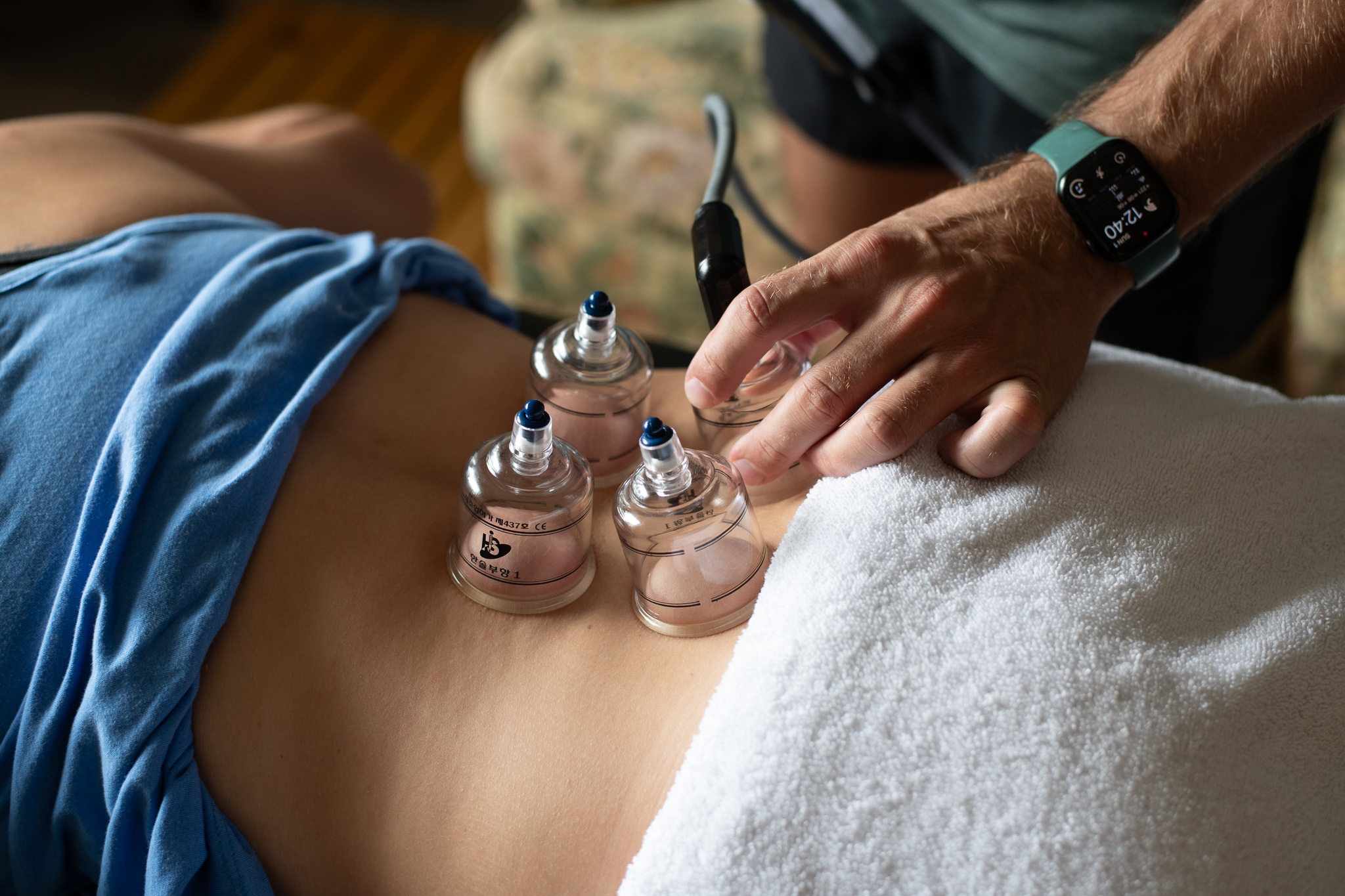
Myofascial Release & Cupping
Sustained pressure and decompression techniques for stubborn myofascial restrictions — useful across the low back, hips, and shoulders where tissue feels chronically “stuck.”
Muscle Energy & PNF
Techniques that use your own gentle contractions and relaxation to improve range of motion and joint position — you’re an active participant, not a passive body on a table.
Nerve Glides & Neural Mobilization
Gentle, specific movements for irritated nerves — think sciatic-type symptoms down the leg or nerve tension into the arm — to restore normal glide and calm symptoms.
Joint Manipulation
A quick, low-amplitude thrust used selectively when it’s indicated. It can rapidly reduce pain and improve motion — but it’s a tool, chosen deliberately, never a party trick.
Often several of these are used in a single visit, and frequently alongside dry needling. The point isn’t how many techniques we use — it’s that each one is chosen to unlock a specific movement, then immediately backed up with an exercise so the improvement is yours to keep.
Does Manual Therapy Actually Work? An Honest Answer
Yes — for the right problem, used the right way. But you deserve a straight answer, because the field has over-promised for years. Here’s the honest version we give every patient in the clinic.
It Reliably Reduces Pain and Improves Motion — In the Short Term
The research is strongest here. A skilled hands-on session can quickly lower pain, improve range of motion, and reduce muscle guarding. That’s genuinely valuable, especially when pain is the thing stopping you from moving at all.
The Effect Is a Window, Not the Cure
Those improvements fade if nothing else changes. Manual therapy’s real value is the window it opens — a stretch of time where you can load, strengthen, and retrain a movement that was previously too painful or too stiff to train.
Paired With Exercise, It Outperforms Either Alone
This is the key finding across the literature: hands-on care plus active loading beats passive treatment on its own for lasting results. That’s exactly why we never send you home with “just rest” or “just come back for another rub.”
If a clinic’s entire plan is passive — hands-on treatment two or three times a week, indefinitely, with no progressive exercise and no exit strategy — that’s a business model, not a rehab plan. Real manual therapy makes you need it less over time, not more.
“Our hands are how we open the door. Your training is how we keep it open. The Tampa athletes who get the most out of manual therapy are the ones who load the change we just made.”
Manual Therapy vs. Dry Needling vs. Massage
These get lumped together constantly, and the differences matter when you’re choosing care in Tampa. Here’s how we separate them.
Manual Therapy vs. Massage
Massage is aimed at relaxation and general tension relief, and it has real value for recovery and stress. Manual therapy is a clinical, diagnosis-driven intervention performed by a doctor of physical therapy and targeted at a specific joint or tissue restriction found in your assessment — then tied directly to a movement or loading goal and re-tested. Both can feel good; only one is built to change how you train.
Manual Therapy vs. Dry Needling
These aren’t rivals — they’re complementary. Manual therapy uses the therapist’s hands to mobilize joints and soft tissue. Dry needling uses a thin filament needle to target irritable trigger points and muscle — a different tool, described well in this overview of dry needling. Some patients respond better to hands-on work, some to needling, and many get both inside the same one-on-one visit. Because both doctors at Forward Physio are dry needling certified, we can pick the tool that fits your presentation on the day — not the only tool the clinic happens to offer.
The through-line: manual therapy, dry needling, and even cupping are all just ways to calm symptoms and unlock movement so the real work — loading and retraining — can happen. None of them are the finish line.
Who Manual Therapy Helps — Tampa Runners, Lifters & Active Adults
We build Forward Physio for people who actually train — and manual therapy earns its place inside almost every one of those plans. You don’t need to be “injured” to benefit; you need a specific restriction or symptom that’s getting in the way. These are the situations where manual therapy in Tampa tends to move the needle fastest.
- Runners with a stiff ankle, a cranky calf, or a hip that won’t extend — hands-on work plus loading is a core part of how we handle issues like Achilles tendonitis and other running injuries.
- Lifters stuck at the bottom of a squat, missing overhead position, or fighting the same “tight” hip or upper back rep after rep.
- Hybrid & CrossFit athletes stacking running on lifting, whose tissue is asked to recover from two sports at once.
- Desk-bound professionals with a neck or mid-back that’s locked up from long hours at a screen, then loaded hard in the gym.
- Golfers and rotational athletes losing thoracic rotation or hip mobility that their swing depends on.
- Active adults over 40 who want to keep training for life and refuse to accept “you’re just getting older” as a treatment plan.
Notice what these have in common: none of them are best served by lying passively on a table. They’re served by a doctor who can free up the restriction and immediately hand them the loading to keep it. That’s the difference between hands-on care that’s worth your time and money and hands-on care that just feels nice.

What a Manual Therapy Session at Forward Physio Looks Like
If your only reference is insurance-driven PT — fifteen minutes with the doctor, then forty-five with a tech — here’s how a one-on-one session that includes manual therapy actually runs in our Tampa clinic.
A Real Movement Assessment First
We find the actual restriction — which joint, which tissue, which movement reproduces your symptoms — instead of treating wherever it happens to hurt. Both of our doctors are SFMA certified, so the assessment is systematic, not guesswork.
Targeted Hands-On Treatment, In Real Time
The right manual therapy techniques for what we found — joint mobilization, soft tissue work, cupping, dry needling when indicated — applied, then re-tested on the spot. You feel the change inside the visit, not four weeks later.
Load the Change Immediately
The moment the joint moves better or the pain drops, we load it. That’s how a temporary improvement becomes a permanent one — and it’s the step most clinics skip entirely.
A Plan That Reduces Your Need for Us
You leave with a clear home plan and a session-by-session path. Our goal is to make manual therapy a bridge you cross a few times — not a standing weekly appointment. One full hour, one doctor of physical therapy, every visit.
Manual Therapy for Chronic Pain: Why Hands-On Care Still Matters
If you’ve had a nagging problem for months or years, you’ve probably been told two unhelpful things: that something is “out of place” and needs constant fixing, or that there’s nothing to be done. Neither is true. For chronic pain, manual therapy is genuinely useful — as long as it’s used to calm a sensitized nervous system and rebuild confident movement, not to chase a phantom misalignment.
Long-standing pain often comes with a protect-and-avoid pattern: the area feels fragile, so you guard it, so it moves less, so it feels worse. Hands-on care can interrupt that loop by lowering pain sensitivity and proving to your body that the movement is safe. Pair that with graded loading and a clear-eyed understanding of how pain actually works — the same message in our guide on why your back is not fragile — and you get durable change instead of another temporary flush of relief.
The distinction we hold to: manual therapy for chronic pain is a bridge back to loading and living, not a lifelong dependency. If you’re in St. Petersburg or Tampa and you’ve been managing the same pain for far too long, a doctor-led second opinion is often the highest-value visit you’ll book all year.
Built for Tampa & St. Petersburg
Forward Physio sits at 5850 W Cypress St in Tampa’s Westshore district (33607) — a short drive from South Tampa, Bayshore, downtown Tampa, Westchase, and Carrollwood, and easy to reach from St. Petersburg and Pinellas County across the Howard Frankland or Gandy Bridge. It’s the same clinic Tampa Bay runners, lifters, and hybrid athletes come to when the local, insurance-first PT down the street hasn’t changed anything.
What you get here doesn’t change with your sport or your pace: one full hour, one doctor of physical therapy, and a plan built around your training. Manual therapy is part of that — skilled, deliberate, and always in service of getting you back to moving the way you want to. Both Dr. Tanner and Dr. Xu are SFMA certified, dry needling certified, and barbell rehab certified, and in Florida you have direct access: no physician referral required to be seen.
Book a One-on-One Manual Therapy Evaluation in Tampa
If a nagging area of stiffness or pain is getting between you and your training — and passive PT hasn’t moved it — let’s look at it together. One full hour. One doctor of physical therapy. Real hands-on care backed by a plan you can train against. Serving active adults across Tampa, Westshore, South Tampa, Bayshore, and across the bay in St. Petersburg.
Book Your EvaluationManual Therapy in Tampa: Frequently Asked Questions
Common questions we hear from runners, lifters, and active adults across Tampa, Westshore, South Tampa, and St. Petersburg before their first manual therapy visit at Forward Physio.
What is manual therapy?
Manual therapy is a set of skilled, hands-on techniques a physical therapist uses to assess and treat joints, muscles, and connective tissue — including joint mobilization, soft tissue mobilization, myofascial release and cupping, muscle energy techniques, nerve glides, and, where appropriate, joint manipulation. At Forward Physio in Tampa it’s never the whole treatment: it’s used to reduce pain and restore mobility so the loading and movement retraining that actually resolve the problem can happen sooner.
Does manual therapy actually work?
For the right problem, yes — but not the way many people assume. Manual therapy doesn’t put bones back in place or permanently lengthen tissue. Research on how it affects the pain experience suggests its main effect is on the nervous system: it reduces pain sensitivity, improves short-term range of motion, and lowers muscle guarding. The most durable results come when hands-on work is paired with progressive exercise, not used on its own.
What’s the difference between manual therapy and massage?
Massage is primarily for relaxation and general tension. Manual therapy is a clinical, diagnosis-driven intervention performed by a licensed physical therapist and targeted at a specific joint, tissue, or movement restriction found in your assessment — then tied directly to a movement or loading goal and re-tested. Both can feel good; only one is built to change how you train.
Manual therapy or dry needling — which one do I need?
They’re complementary tools, not competitors. Manual therapy uses the therapist’s hands to mobilize joints and soft tissue; dry needling uses a thin filament needle to target trigger points and irritable muscle. Some patients respond better to one, some to the other, and many get both in the same visit. Your doctor picks the tool that fits your presentation that day.
Is manual therapy painful?
It shouldn’t be sharply or lastingly painful. Some techniques — deep soft tissue work, cupping, or mobilizing a stiff joint — can feel intense or produce a “good hurt,” and mild soreness for a day afterward is normal. Your doctor works within your tolerance and adjusts constantly. Treatment that leaves you badly bruised or flared for days is not the goal.
How many manual therapy sessions will I need?
Fewer than most people expect. Because we pair hands-on work with active loading from day one, manual therapy is a bridge, not a standing appointment. Many Tampa athletes and active adults need only a handful of visits before the exercise plan carries the rest of the progress. If a provider says you’ll need hands-on treatment two or three times a week indefinitely, that’s a red flag.
Can manual therapy help chronic or long-standing pain?
Yes, used correctly. For chronic pain, manual therapy is most useful for calming a sensitized nervous system and restoring confident movement — not for fixing something that’s “out of place.” Paired with graded loading and education about how pain works, hands-on care can help break the guard-and-avoid cycle that keeps long-standing pain going. It’s one part of an active, doctor-led plan.
When should I see a physical therapist for manual therapy in Tampa?
Book when a nagging area of stiffness or pain is limiting your training, lingering after an old injury, or capping your range of motion — especially if generic, passive PT has already failed to change it. A doctor-led one-on-one performance physical therapy evaluation at Forward Physio will tell you quickly whether manual therapy is the right tool. Call (813) 535-3676 or email info@forward-physio.com to book.
More Performance Insights from Forward Physio
Manual Therapy in Tampa: What It Is, Who It Helps, and When Hands-On Care Works
What manual therapy actually is, the techniques we use, what the evidence really says, and how hands-on care fits a runner or lifter’s plan at Forward Physio.
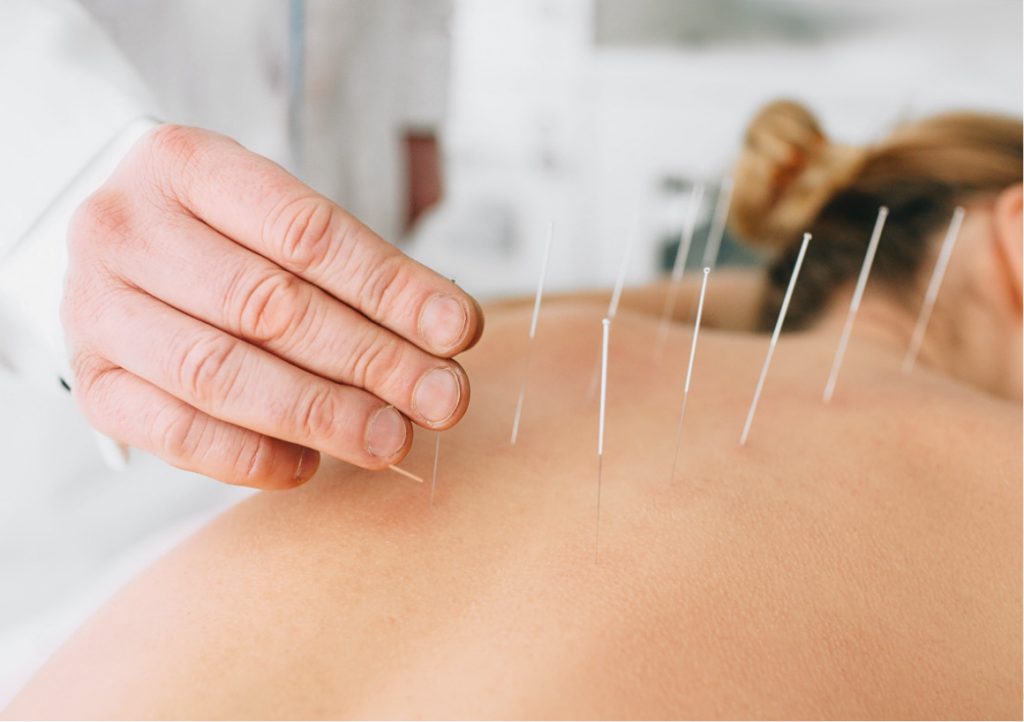
Dry Needling in Tampa: A Performance PT’s Guide
What dry needling actually is, who it helps in Tampa Bay, and how we use it inside a runner or lifter’s rehab plan at Forward Physio.
Continue Reading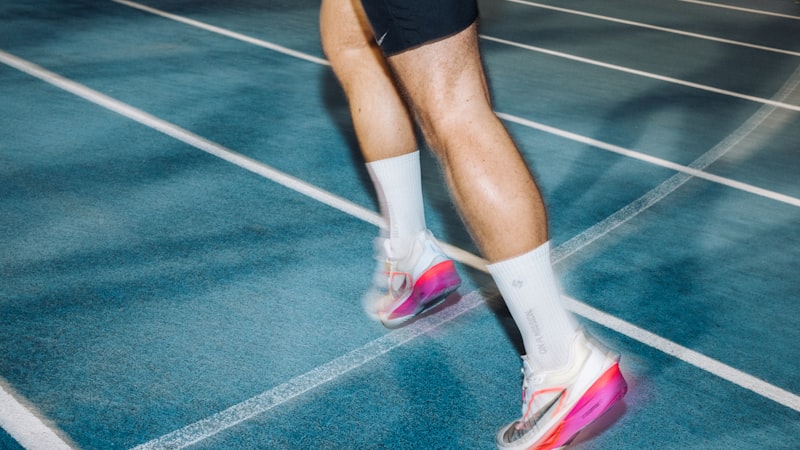
Achilles Tendonitis in Runners & Hybrid Athletes
Why Achilles pain isn’t really inflammation, why rest keeps failing, and the heavy-slow loading framework that gets Tampa athletes back to full mileage.
Continue Reading
Hip Pain in Lifters & Runners: A Tampa Guide
What’s really causing hip pain from squatting or running, how to keep training through it, and the loading framework that fixes it.
Continue Reading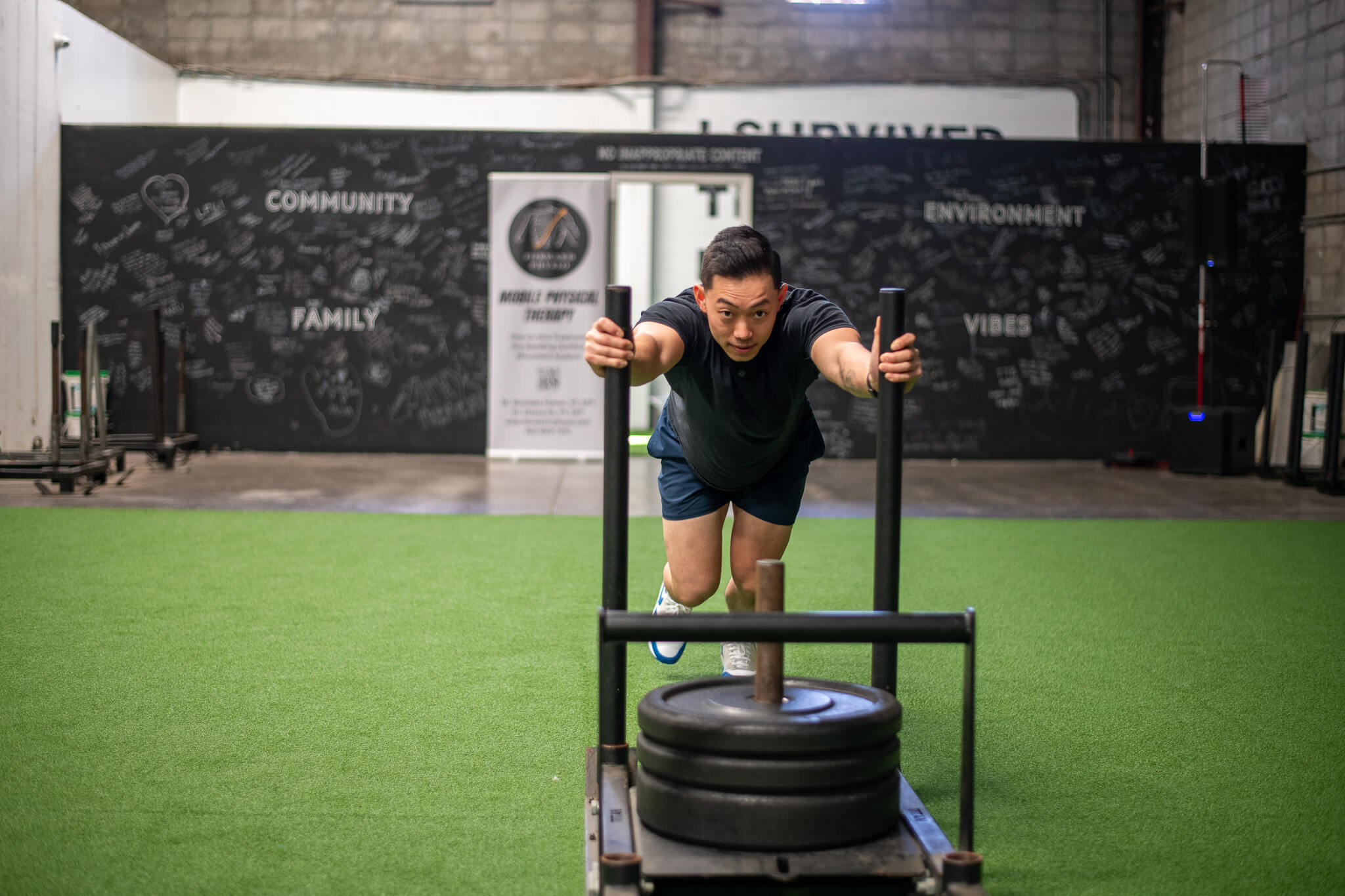
Performance Assessments: Why Wait Until You’re Hurt?
Elite athletes don’t wait for injuries. The proactive assessment that catches issues before they sideline you.
Continue Reading